You have IT support, but no IT strategy.
Someone fixes what breaks. Nobody plans what's next.
IT strategy and technology leadership for businesses that outgrew their systems. 25+ years running enterprise IT — strategy, execution, and the automation to back it up. Not just a deck. A CIO who has actually built the thing.
If you run a business between roughly $2M and $50M in revenue, you probably have technology decisions stacking up that nobody on your team is equipped to referee. Your IT provider fixes things, but nobody owns the strategy. Software gets bought at moments of pain. Spend creeps. Security is a guess. And every big decision — new ERP, cloud migration, the AI question — lands on your desk, where you're expected to judge vendors selling things you can't evaluate.
That's the gap I fill. I sit on your side of the table — part-time, senior-level, with no products to sell you and no managed services contract to protect.
Someone fixes what breaks. Nobody plans what's next.
And you're tired of judging vendors on vibes.
Licenses, providers, projects — no scoreboard.
I've directed six technical functional groups — helpdesk, systems administration, networking, firewall, security operations, and managed service providers — for an international manufacturer. When I build your roadmap, it's informed by having actually run the teams that execute one.
Most advisors talk about AI. I build it — working automation pipelines, AI voice agents, document-processing workflows running in real businesses today. When I tell you an AI use case is real or a money pit, it's a builder's answer, not an analyst's.
Identity and access management, Microsoft 365 and Entra ID hardening, security operations oversight, cyber insurance readiness. I've sat on the security side of the table and translate it into decisions an owner can actually make.
Every engagement follows the same discipline, because it works.
I map your entire technology footprint — systems, spend, risks, and the gaps between them. You get a Technology Assessment Report, an IT Risk Register, and a Technology Spend Map. Most clients find 20–30% waste in the first pass.
Findings become a prioritized 12-month roadmap — sequenced in the right order, with budget ranges and owners. Foundations before features. The order you fix things in determines whether you pay once or twice.
I direct your team and vendors against the roadmap — weekly leadership cadence, vendor negotiation, progress tracking — as your fractional CIO. Your people do the work. I make sure it's the right work, in the right order.
Every episode gives business owners a framework they can use the same week — how to audit your technology spend, how to know if your IT provider is actually working for you, what your cyber insurance application is trying to tell you, and what's real versus demo-ware in AI. No jargon, no pitch.
One-line episode description placeholder.
Get the worksheetOne-line episode description placeholder.
Get the worksheetOne-line episode description placeholder.
Get the worksheetA fractional CIO is a senior technology executive who works with your business part-time — typically a set number of hours per month — providing the strategy, vendor oversight, and technology leadership of a Chief Information Officer without the $250,000+ full-time salary. Your team and providers still do the hands-on work; the fractional CIO makes sure it's the right work.
My engagements are fixed and published: a technology assessment starts at $2,500, a 90-day transformation sprint runs $6,000 per month for three months, and ongoing advisory retainers start at $3,000 per month. Compare that to a full-time CIO at $250,000+ plus benefits, or to the cost of one badly sequenced ERP project.
Your MSP executes — patching, helpdesk, infrastructure. I set direction and hold execution accountable, including your MSP's. I don't sell managed services, hardware, or software, so my recommendations aren't attached to anyone's sales quota. Think of it as the difference between your bookkeeper and your CFO. Both matter. They shouldn't be the same person.
No. In most engagements I make your existing provider more effective, because someone is finally giving them clear priorities and checking the work. If the relationship genuinely isn't serving you, I'll tell you — and help you run a clean selection process for a new one. I don't take over the work myself, which is exactly why my answer can be honest.
The common triggers: technology spend has crossed roughly $10,000 a month and nobody owns it; a major decision is looming (ERP, cloud migration, acquisition, new location); a security or insurance requirement landed and nobody knows if you'd pass; or the owner realizes every technology decision still routes through them. If two of those sound familiar, it's time for at least an assessment.
Thirty minutes. You talk, I ask questions, and by the end I'll tell you honestly whether an engagement makes sense — including when the answer is “you don't need me yet, here's what to do instead.” No deck, no pressure, no follow-up sequence hammering your inbox.
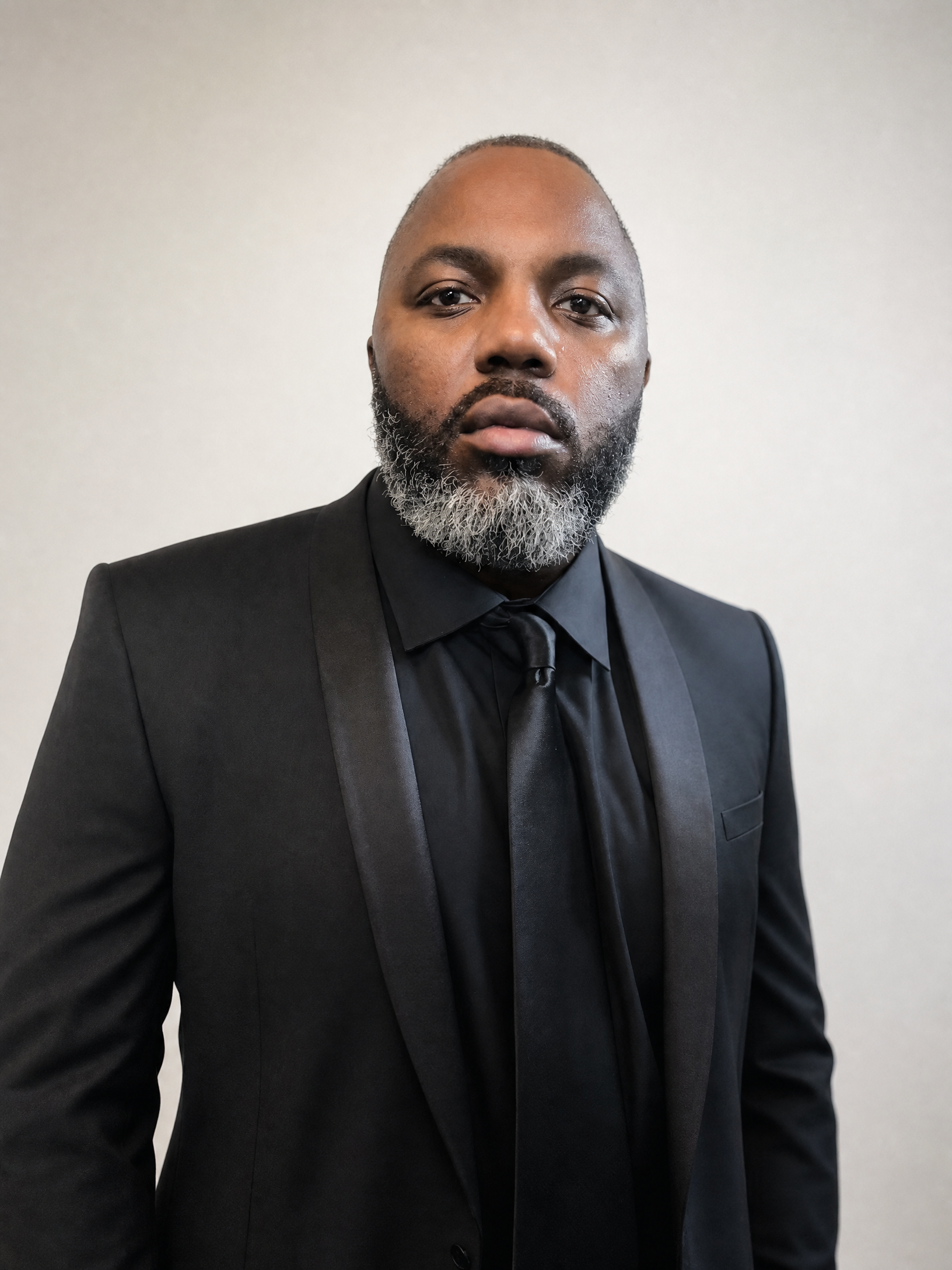
I'm Joe Coleman III. I've spent 25+ years in enterprise IT — the last stretch directing six technical functional groups for an international manufacturer: helpdesk, systems administration, networking, firewall, security operations, and outside managed service providers. I've been the person who builds the strategy and the person who answers for it when it meets reality.
Along the way I've run identity and endpoint security for Microsoft 365 environments, led compliance and audit workstreams, negotiated with more technology vendors than I can count, and built working AI and automation systems hands-on — because I think a technology advisor who can't build anything is just a well-dressed opinion.
I'm based in the Richmond, Virginia area and work with clients regionally and remotely.
$2,500 · 3–4 weeks
The full picture: assessment report, risk register, spend map, 12-month roadmap, executive readout. Most clients recover the fee in found waste. Credits toward a sprint if you continue.
$6,000/month · 3 months
Days 1–30: your Technology Systems Roadmap. Days 31–90: I direct your team and vendors to execute it, with weekly leadership meetings and full progress tracking.
from $3,000/month
Ongoing technology leadership: roadmap stewardship, vendor and budget oversight, quarterly risk and spend reviews, and a senior voice in the room for every big decision.
Every engagement starts with a conversation, not a contract. Book an intro call
The Technology Leader's Starter Kit: the 5 questions that reveal whether your IT provider is working for you, plus the 90-minute technology spend audit worksheet.